

Nigeria has been grieving since last week, and so am I.
Favour Agbro was 20 years old. A nursing student. A twin sister. A daughter. Like millions of young Africans, she dreamed of building something online — and when a popular content creator known as “Odogwu of Asaba” allegedly offered to train her to monetise her TikTok and Facebook pages, it looked like a door opening.
According to the Delta State Police, she travelled to Asaba on 1 June 2026 for that training. Instead, she was allegedly taken to a hotel, raped, and physically assaulted. The suspect has been arrested and the investigation is ongoing.
Here is the part that has kept me awake as a parent-teen coach: Favour did everything we tell young people to do. She had even told him beforehand, in writing, that she was not interested in any relationship. After the assault, she called her twin sister. She went home and told her parents. She recorded a video telling her own story in her own words.
She spoke up. And weeks later, she still died by suicide.
If you take one thing from this article, let it be this: getting our children to talk to us is essential — but it is not enough. What happens after they talk determines whether telling the truth heals them or breaks them further.
The New Face of the Predator: “Opportunity”
When I speak to parents across the UK and Nigeria, many still imagine danger as a stranger in the street. But in my coaching work — and in my book The Phone-Free Teenager — I keep returning to the same truth: today’s predator arrives dressed as opportunity.
A mentor. A brand deal. A training programme. A promise to “help you go viral.”
Our teens and young adults are ambitious, digitally fluent, and often financially hungry in economies that offer them little. That combination makes “I can teach you to monetise your page” one of the most powerful lures on earth. It bypasses every warning we ever gave them about strangers, because this person doesn’t feel like a stranger. He feels like a way out.
Ask yourself honestly: if your daughter received that message tomorrow, would she tell you before she travelled — or after?
The Communication Cascade: Where Families Lose Their Children
In my Communication Cascade Model™, I describe how teens slide from Invalidation to Suppression, then Withdrawal, Migration — moving their emotional life onto platforms and into relationships we cannot see — and finally Severance.
Migration is exactly where predators wait. A young person whose ambitions are dismissed at home (“face your studies,” “that internet thing is nonsense”) doesn’t stop dreaming. She simply takes the dream to whoever will listen. Sometimes that person is a genuine mentor. Sometimes he is a 40-year-old man with a hotel room booked.
The antidote to Migration is not surveillance. It is becoming the safest, most informed adult in your child’s ambition — the first person they consult about an opportunity, not the last person to find out.
Telling Is the Starting Line, Not the Finish Line
Favour told her family. Reports suggest she also sought help elsewhere and was allegedly discouraged from pursuing the matter because the suspect was “influential.”
Sit with that. A young woman found the courage to speak — and somewhere along the line, the message she received back was that his platform mattered more than her pain.
When a child or young adult discloses abuse, three things must happen, in this order:
Believe first, investigate second. The first sixty seconds after disclosure are sacred. “I believe you. This was not your fault. I am so glad you told me.” Everything else can wait.
Act visibly. Young people need to see the adults around them moving — medical care, professional counselling, a police report where a crime has occurred. Visible action tells a traumatised young person: you are worth fighting for.
Guard the aftermath. Trauma does not end when the telling ends. The weeks that follow — the shame spirals, the community whispers, the sleepless nights — are when our children are most fragile. This is the season for professional mental health support, not just prayer and privacy. Watch closely. Stay close.
Say This to Your Child Tonight
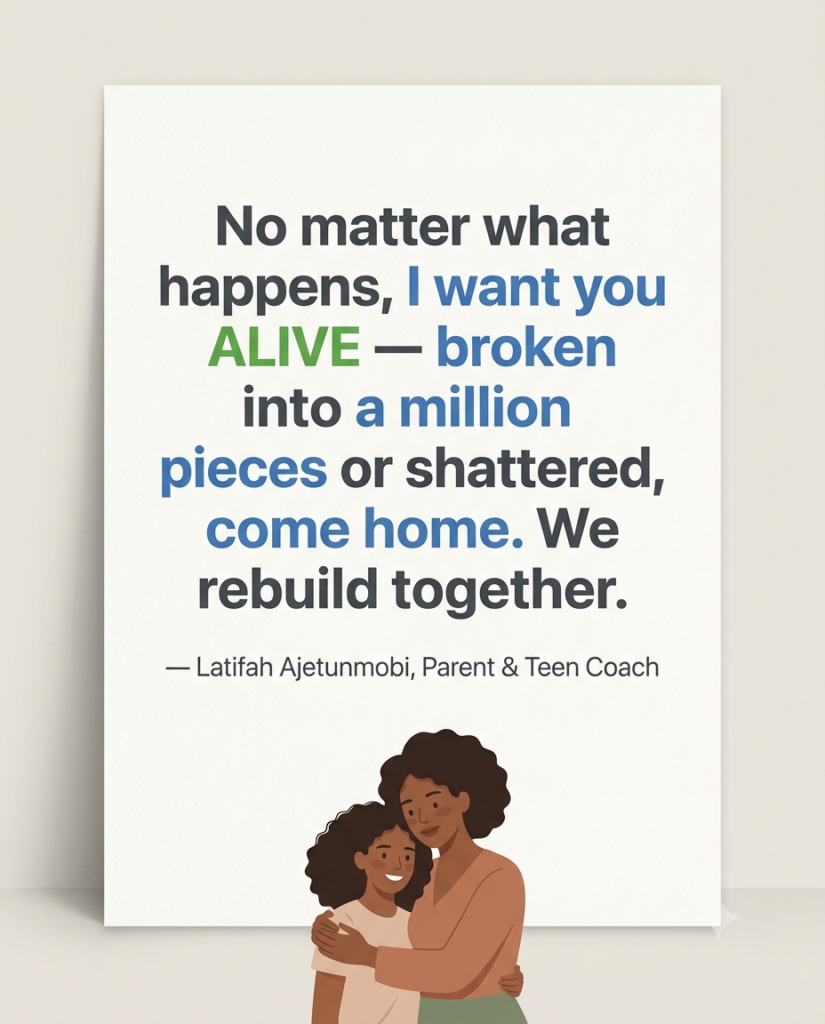
I ask every parent in my community to say this sentence out loud to their teenager this week not as a reaction to the news, but as a standing covenant: “No matter what happens no matter what you’ve done or what has been done to you I want you alive. Broken into a million pieces? Come home. Shattered? Come home. We will rebuild together.”
Shame is the predator’s best friend and the parent’s worst enemy. A child who knows, with absolute certainty, that nothing can make her too broken to come home is a child who comes home.
To Favour’s family: I am not here to blame you. You raised a daughter courageous enough to speak. My heart, my prayers, and my condolences are with you. And to every parent reading: let her courage change how we protect our children starting at our own dinner tables tonight.
Justice for Favour.